Heat Pump Installation: A Smart and Energy-Efficient Heating Solution
Heat pump installation has become an increasingly popular choice for homeowners and businesses looking for an efficient and environmentally friendly way to heat and cool their spaces. A heat pump is a modern HVAC system that transfers heat from one place to another instead of generating heat through combustion like traditional heating systems. Because of this technology, heat pumps provide both heating in the winter and cooling in the summer, making them a versatile solution for year-round comfort.
One of the main advantages of installing a heat pump is energy efficiency. Traditional heating systems such as furnaces or electric heaters generate heat by burning fuel or using large amounts of electricity. Heat pumps, on the other hand, simply move heat from the outside air or ground into the home. This process requires much less energy, which can significantly reduce utility bills. Many modern heat pumps are designed with advanced technology that allows them to operate efficiently even in colder climates.
The heat pump installation process begins with an assessment of the property. Professional HVAC technicians evaluate the size of the home, insulation levels, and existing heating and cooling systems. This assessment helps determine the appropriate size and type of heat pump needed for the space. Choosing the correct system size is important because an undersized unit may struggle to maintain comfortable temperatures, while an oversized system may waste energy and increase operating costs.
There are several types of heat pumps available for installation. Air-source heat pumps are the most common and work by transferring heat between the indoor air and outdoor air. Ground-source heat pumps, also known as geothermal systems, transfer heat between the home and the ground. Although Maine heat pump services geothermal systems can be more expensive to install, they are extremely efficient and provide long-term energy savings. Another option is the ductless mini-split heat pump, which is ideal for homes that do not have existing ductwork.
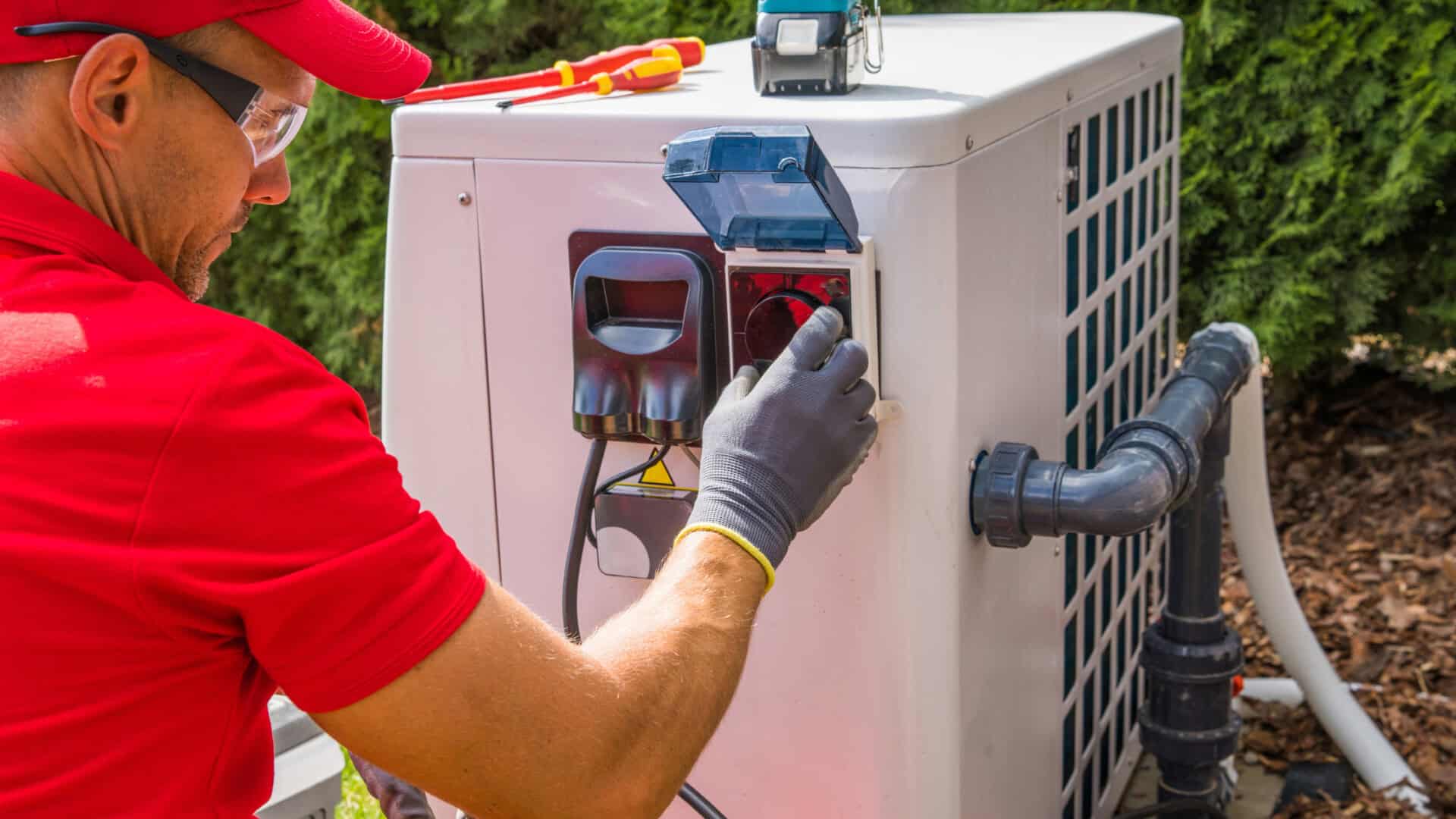
Once the appropriate system is selected, technicians begin the installation process. The first step typically involves installing the outdoor unit in a suitable location outside the building. This unit is responsible for collecting heat from the air and transferring it into the home. The indoor unit is then installed inside the house, often connected to ductwork or mounted on walls in the case of ductless systems.
After placing the indoor and outdoor units, technicians connect the refrigerant lines that allow heat to transfer between the two components. Electrical connections are also installed to power the system and control its operation. Proper insulation of the refrigerant lines is essential to ensure the system operates efficiently and prevents energy loss.
Testing the system is another critical part of the heat pump installation process. HVAC professionals check refrigerant levels, electrical connections, and airflow to ensure the system is functioning properly. They also test the thermostat and system controls to verify that the heat pump responds correctly to temperature changes. This final inspection ensures the system operates safely and efficiently before it is fully activated.
Heat pump installation offers numerous benefits beyond energy efficiency. One major advantage is year-round climate control. Unlike traditional systems that require separate heating and air conditioning units, a heat pump performs both functions in one system. This reduces equipment costs and simplifies maintenance.
Another benefit is environmental sustainability. Heat pumps produce fewer greenhouse gas emissions compared to systems that burn fossil fuels. By using renewable heat sources such as air or ground energy, heat pumps contribute to a cleaner environment and reduce the overall carbon footprint of a home.
Comfort is also improved with a properly installed heat pump. These systems distribute heat more evenly throughout the home and maintain consistent indoor temperatures. Many modern heat pumps also include advanced features such as programmable thermostats and smart home compatibility, allowing homeowners to control their indoor climate easily.
Maintenance is important to keep a heat pump operating efficiently. Regular servicing by HVAC professionals ensures that filters, coils, and refrigerant levels remain in good condition. Routine maintenance not only improves system performance but also extends the lifespan of the equipment.
Although the initial cost of heat pump installation may be higher than some traditional systems, the long-term savings on energy bills and reduced environmental impact make it a worthwhile investment. Many governments and utility companies also offer rebates or incentives for installing energy-efficient heating systems, which can help reduce installation costs.
In conclusion, heat pump installation is a modern, energy-efficient solution for heating and cooling homes and businesses. With benefits such as lower energy consumption, year-round comfort, and environmental sustainability, heat pumps are becoming a preferred choice for many property owners. By hiring experienced professionals for installation and maintaining the system properly, homeowners can enjoy reliable performance and long-term savings while creating a comfortable indoor environment.